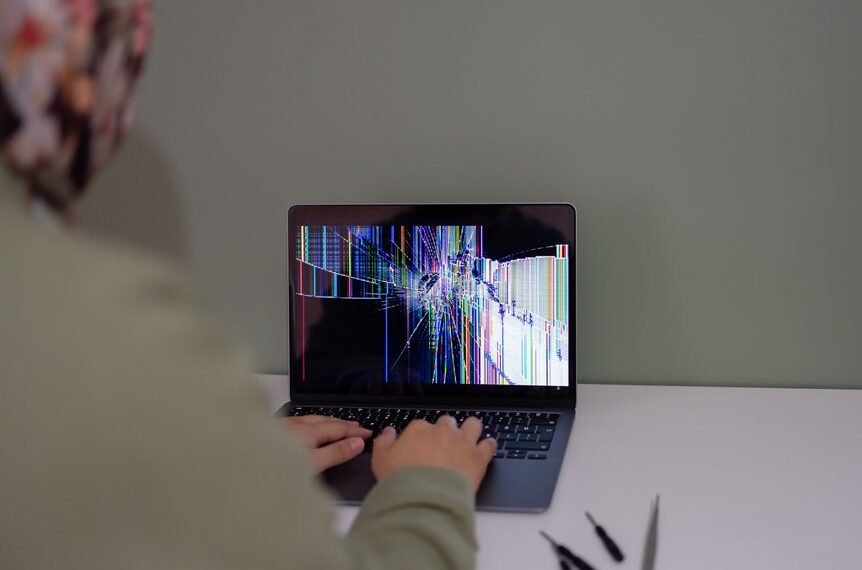
Unplugging the device helps determine if the fault is tied to power or transient conditions. A quick, repeatable set of steps establishes a baseline and reveals consistent symptoms. Start with low-risk checks: verify power, inspect connections, and review basic settings. If issues persist, gather logs, error messages, and a concise impact summary before escalating. The goal is to isolate the cause with clear, essential facts, then decide the next step without distraction. There is more to consider before proceeding.
What Unplugs Tell You About the Problem
Unplugging a device or component often reveals a simple truth about the problem: if the issue ceases when power is removed, the fault is likely tied to electrical supply, energy routing, or a transient condition.
The observation guides evaluation, excluding unrelated topics and off topic ideas.
This method emphasizes disciplined testing, repeatable steps, and clear conclusions about the true origin of symptoms.
Quick Reproductions to Pinpoint the Issue
Quick reproductions involve replicating the conditions that produced the fault, using a controlled set of steps to observe consistent symptoms. They establish a baseline for comparison, guiding later decisions. In this context, the process remains focused, with an emphasis on repeatability. Unrelated topic observations and random brainstorms are kept separate, ensuring disciplined evaluation and traceable conclusions about the issue.
Targeted Fixes to Try Before Calling for Help
Targeted fixes to try before calling for help focus on immediate, low-risk steps that can confirm common failure modes without external assistance. The approach remains detached, methodical, and practical, addressing core symptoms while avoiding unrelated topics and offhand suggestions. By verifying power, connections, and basic settings, the method minimizes noise, centers on reproducible results, and preserves user autonomy.
When to Escalate and What Information to Gather
Escalation becomes appropriate when the symptoms persist after basic checks or when the issue falls outside the scope of routine fixes. The article advises documenting incident details before contacting support, including timestamps, steps tried, and observed behavior. Gather system logs and error messages, then summarize impact. Beware unrelated topics or off topic ideas that distract from essential facts. Clear, concise notes facilitate faster resolution.
Frequently Asked Questions
Can I Prevent This Issue From Happening Again?
Yes, preventive measures can reduce recurrence by addressing recurring triggers; he should implement systematic checks, monitor patterns, and establish safeguards to minimize disruptions, ensuring resilience while preserving autonomy and flexibility for future operations.
Is There a Warranty That Covers This Problem?
Answers: Yes, a warranty may cover this problem, depending on terms and timing. Warranty coverage varies; review contract details. Prevention strategies include documentation, timely service, and extended protections. It provides freedom from unexpected costs through defined repair plans.
Should I Consult a Professional if I’M Unsure?
Yes, consulting a professional is prudent if unsure. A careful, external assessment reduces DIY risk. A formal DIY risk assessment can guide decisions, clarifying when professional input is necessary for safety and effectiveness.
Are There Hidden Costs to Fixes or Replacements?
Hidden costs may accompany both repair options and replacements, depending on scope and parts. The detached evaluator notes upfront estimates, potential additional charges, and long-term savings, enabling informed choices aligned with an audience seeking freedom and clear outcomes.
How Long Until the Problem Typically Resolves?
The duration varies; typically resolution occurs within hours to days, not hours in some cases. It remains contingent on root cause, effort, and complexity. Unrelated topic, not applicable, the timeline is not guaranteed, yet progress follows methodical milestones.
Conclusion
In conclusion, the procedure emphasizes disciplined, repeatable steps: unplug to test power stability, perform quick, controlled reproductions, and apply low-risk fixes before escalation. If issues persist, collect concise logs and impact notes to inform the next steps. The approach keeps focus on essential facts, avoiding distractions. By documenting what changed and what remained, one gains clarity, and the path forward becomes evident—like trimming away noise to reveal the true fault. This keeps troubleshooting sharp and practical, steadily moving toward resolution.