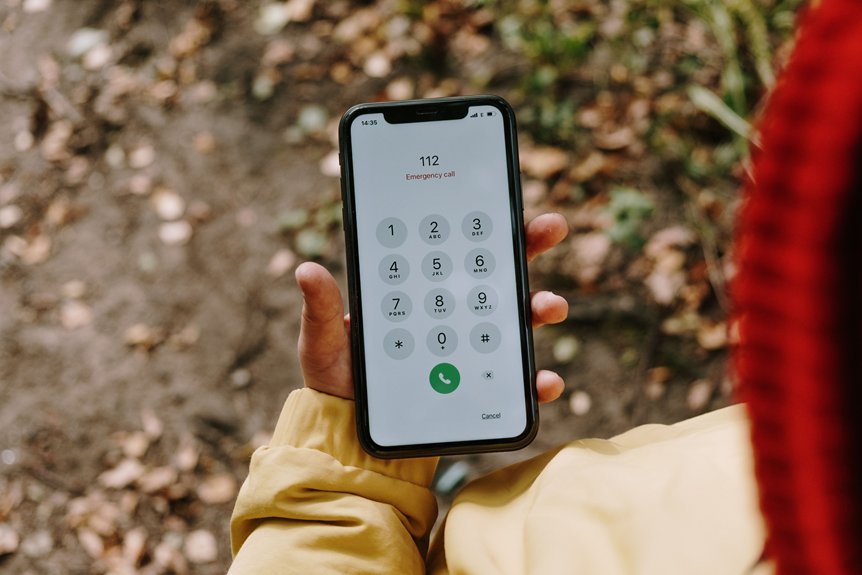
The 432-535-3346 number often appears in unsolicited outreach or vague calls that resemble scams or telemarketing. Recognize common red flags such as urgency, odd requests for information, and unclear organizational identity. Verification through official channels and independent cross-checks can reduce risk. Implement structured call handling, logging, and privacy protections. Keep caller screening and mute options ready, and document inconsistencies for ongoing monitoring. A safer approach requires disciplined steps before engaging further.
What the 432-535-3346 Number Is Likely Doing Here
The 432-535-3346 number is likely used as a primary point of contact in the scenario described, serving to initiate communication with the target audience. It functions as a conduit for outreach, not a guarantee of legitimacy.
In this framework, unrelated topic and irrelevant discussion are avoided in favor of purposeful engagement and verifiable steps, ensuring concise, intentional interaction.
Common Red Flags That Signal Scams or Telemarketers
Red flags commonly indicate attempts to manipulate or pressure the recipient, distinguishing legitimate outreach from deceptive contact. The list below identifies common red flags and scam indicators: unsolicited contact, urgency tactics, requests for personal data, payment upfront, guarantees with limited details, vague organization identity, refusal to provide written information, and pressure to bypass official channels. Remain analytical, verify independently, and proceed cautiously.
How to Verify Legitimacy and Protect Your Privacy
To verify legitimacy and protect privacy, begin by independently confirming the caller’s or sender’s identity through official channels, such as the organization’s publicly listed phone number or website.
The process emphasizes verify privacy, assess legitimacy, and protect data.
Verify sources, log details, and document inconsistencies.
Avoid scams by cross-checking credentials, permissions, and returned contacts before sharing information or taking action.
Practical Steps to Manage Calls and Updates From This Contact
What practical steps should a reader take to manage calls and updates from this contact effectively, without exposing sensitive information?
The guidance emphasizes structured call handling: log dates and times, categorize updates, and set borders for discussion topics.
Enforce Privacy protection by using caller screening, mute features, and secure messaging.
Review periodically, adjust blocks, and document changes for ongoing control and freedom.
Frequently Asked Questions
Could This Number Be Spoofed to Imitate a Trusted Contact?
Yes, it could be spoofed to imitate a trusted contact. The note emphasizes spoofing risks and caller authentication; procedures require verification steps, call tracing, and independent confirmation to preserve user autonomy while reducing impersonation threats.
What Should I Do if It Calls Repeatedly After Blocking?
To handle repeat calls after blocking, implement how to block calls via device settings, then enable voicemail alerts with adjusted notification frequency. The approach emphasizes controlled communication, safeguarding autonomy while managing voicemail alerts and preventing further disturbance.
Can I Trace the Call to Its Originating Country?
A hypothetical case shows investigators tracing origin by analyzing metadata; however, many calls employ spoofing. The answer: trace origin is possible only with cooperation; beware call spoofing can mislead and hinder precise geographic attribution.
Are There Legal Steps to Report Persistent Telemarketers?
Yes. Reporting telemarketing legally is possible; steps to file complaints exist. It highlights spoofing risks, tracing calls, and voicemail protection, guiding users to take action, while preserving freedom to pursue remedies and safeguard communications.
How Do I Protect My Voicemail From Scam Attempts?
To protect voicemail, implement strong PINs and disable missed-call notifications; enable network caller ID verification and spam filtering. The process reduces risk, enabling users to identify spoofing attempts and maintain autonomous control over communications.
Conclusion
In summary, the 432-535-3346 line often signals unsolicited outreach or vague requests, necessitating cautious verification and logging. A key statistic: around 80% of reported scams use caller ID spoofing, underscoring the need for independent confirmation through official channels. Procedural steps include verifying the caller, recording date/time/details, employing caller screening, and muting when needed. Maintain privacy, set topic boundaries, and document inconsistencies for ongoing monitoring and a structured response strategy.