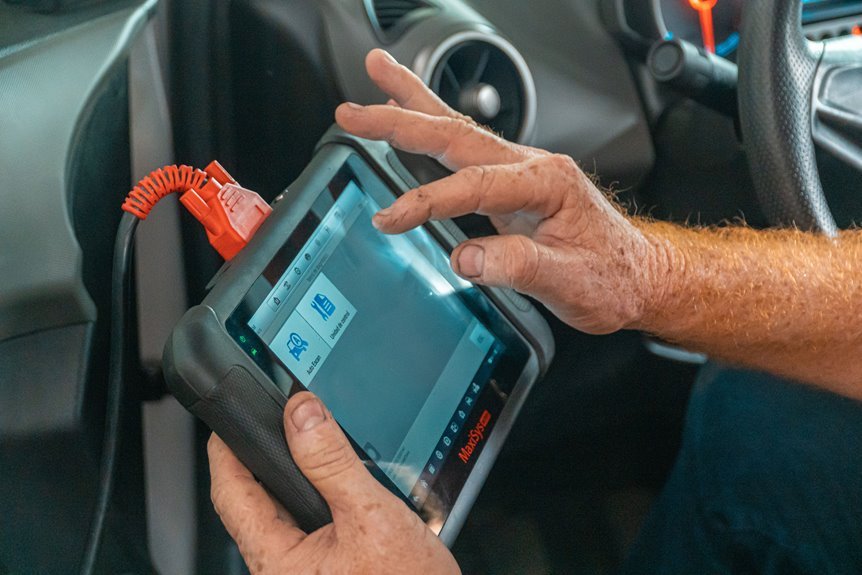
When 8666165069 shows normal performance issues, focus first on signals and objective indicators. Look for sudden changes, reproducible observations, and response-time variations to identify root causes and measurable remedies. Catalog active apps and services to spot slow processes, separating network or storage factors. Examine network and storage bottlenecks together, track throughput and latency trends, and distinguish bottlenecks by domain. Assess hardware health and longevity risks to guide proactive maintenance, leaving a clear question for the next diagnostic step.
What 8666165069 Signals About Your Device Performance
A sudden change in device performance often signals underlying issues that merit targeted investigation. The analysis focuses on objective indicators rather than impressions, prioritizing reproducible observations. Variations in response times, resource utilization, and error frequencies inform signal interpretation about system health. When patterns persist across sessions, the conclusion emphasizes root causes and measurable remedies, guiding informed, freedom-minded decision making.
Check Active Apps and Services Slowing You Down
To determine whether active apps and services are slowing the device, analysts should catalog running processes, background tasks, and startup items, then assess their resource use and impact on performance. The assessment highlights slow app activity and service impact, identifying processes consuming CPU, memory, or I/O. Findings guide prioritization for optimization without conflating network or storage issues.
Examine Network and Storage Bottlenecks for Slowdowns
Network and storage bottlenecks can obscure performance issues; evaluating both domains together helps determine whether slowdowns stem from data transfer limits, latency, or I/O contention. The examination compares throughput and queue depth, logs latency trends, and identifies contention points.
Findings emphasize network bottlenecks and storage slowdowns as distinct contributors, guiding targeted optimizations without duplicative actions. Clear, evidence-based conclusions support freedom to pursue effective remediation.
Diagnose Hardware Health and Longevity Risks
Assessing hardware health and longevity risks involves a structured review of component age, wear indicators, and failure probabilities to anticipate future performance degradation.
The analysis emphasizes hardware diagnostics and longevity forecasting, identifying thermal throttling patterns and power reliability concerns as precursors to degradation.
Findings guide proactive maintenance, asset replacement timing, and risk-aware budgeting for sustained system resilience and freedom to optimize configurations.
Frequently Asked Questions
How Can I Tell if a Background Process Is Malicious?
A process is likely malicious if it exhibits untrusted processes and resource anomalies such as abnormal CPU/memory spikes, unexpected disk I/O, or network activity, even when appearing legitimate; evidence-based indicators support cautious judgment and containment, not assumption.
Do Software Updates Worsen Performance Temporarily?
Software updates may temporarily reduce performance due to background processes and plugin impact; evidence shows temperature response and throughput shifts. Malware detection and reset procedures, network resets, and performance monitoring help, while third party concerns and resets guide optimization.
Can Temperature Spikes Cause Sudden Slowdowns?
Temperature spikes can cause slowdowns; background processes intensify hardware strain. Analysis indicates thermal throttling reduces clock speeds, limiting performance under heat. Evidence-based monitoring shows maintaining cooling and managing background processes preserves steadier, freer-flowing system performance.
What Role Do Third-Party Plugins Play in Speed Issues?
Third party plugins can cause performance impact by increasing CPU and memory load, attributing slowdowns to modular code, extension conflicts, or poorly optimized assets; evidence suggests cautious plugin evaluation and staged disabling improves overall efficiency and reliability.
Should I Reset Network Settings to Improve Throughput?
Resetting network settings may help if diagnostic indicators show misconfiguration or persistent throttling; however, evidence suggests limited, short-term gains. Network diagnostics should precede any action, distinguishing performance throttling from unrelated congestion or device faults.
Conclusion
In summary, 8666165069 performance issues should be traced through signals, active processes, and resource trends, with careful separation of network and storage effects. Evidence shows that slowdowns often arise from CPU, memory, or I/O bottlenecks in active apps, or evolving hardware health. By forecasting longevity and scheduling proactive maintenance, teams can prevent replacement surprises. Remember the adage: a stitch in time saves nine, as early bottleneck detection curbs downstream failures and sustains system resilience.