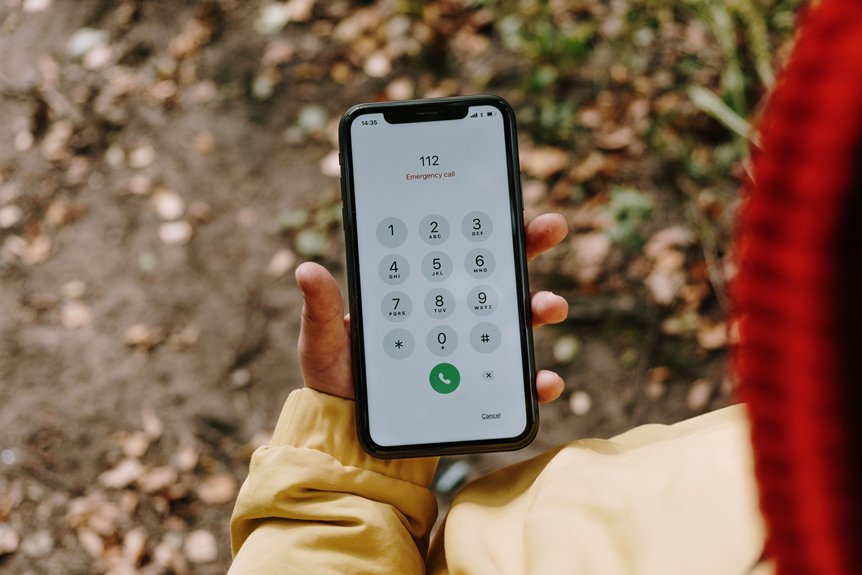
When 844 309 1201 calls, the assessment begins with identity and context checks. The goal is to confirm legitimacy before sharing information, using official channels to verify numbers and cross-check details. If doubt remains, pause and document each step. Persistent calls should be blocked or filtered, with careful note-taking. The approach emphasizes privacy, concise follow-up, and clear purpose for any return contact, keeping the process orderly and predictable to anticipate next steps.
Identify the Caller: Verify Legitimate Context and Numbers
There can be no doubt about the importance of establishing the caller’s identity before proceeding with any interaction. The process centers on identify caller, verify legitimacy; analyze number patterns, check context. Clear verification involves cross-checking the caller’s claimed organization, confirming contact channels, and assessing timing. Objective analysis reduces risk, empowering individuals to respond confidently while preserving autonomy and freedom in communication.
Spot Common 844 Scams: Red Flags to Watch For
Spotting common 844 scams requires a structured approach that builds on verifying caller legitimacy. The analysis highlights red flags such as urgency, requests for personal data, unexplained fees, and insistence on unfamiliar payment methods.
Awareness of spam awareness and scam psychology reveals how fear and authority cues drive compliance. Maintains clarity, precision, and a freedom-oriented mindset for informed decision-making.
Safe Next Steps: Blocking, Filtering, and Returning Calls Mindfully
To minimize disruption from 844 numbers, proactive blocking, precise filtering, and mindful return practices form a practical workflow. Call screening minimizes intrusions while preserving legitimate contact, and voicemail etiquette supports respectful, efficient exchanges.
Implement timely blocking when threats persist; apply targeted filters for unknown numbers; return calls mindfully, documenting intent and needed information. This disciplined approach sustains freedom and reduces friction.
Set Boundaries and Protect Your Info: Privacy and Follow-Up Tactics
Setting clear boundaries and safeguarding personal information are essential when handling persistent 844 numbers, enabling productive follow-up while minimizing risk. The piece emphasizes privacy boundaries and data protection through disciplined practices: document interactions, limit sensitive disclosures, and prefer written confirmation. Implement caller verification as a security step, verify identity before sharing details, and maintain concise records to support transparent, freedom-respecting follow-up strategies.
Frequently Asked Questions
What Should I Do if I Can’t Verify the Caller’s ID?
If identity verification fails, one should pause, document the incident, and proceed cautiously; can’t verify identities should trigger additional checks. Caller id tips include requesting callbacks and cross-verifying numbers before sharing sensitive information or actions.
How Often Should I Review My Blocking Settings for 844 Numbers?
Review frequency should be set monthly or after significant policy changes; the blocking strategy remains adaptable. The reader values freedom, so every review clarifies goals, logs outcomes, and adjusts rules to balance security with uninterrupted communication.
Can Legitimate Businesses Still Contact Me After Blocking an 844?
Yes, legitimate contact is typically blocked; blocking impact primarily prevents unsolicited calls, not essential communications. The system may allow trusted channels if whitelisted, so businesses can request exemptions while maintaining personal autonomy and freedom.
Are There Legal Considerations When Sharing My Number With 844S?
Yes, there are legal considerations when sharing a number with 844s. The reviewer notes legal compliance and consent limitations, and emphasizes clarity, precision, and structured wording, appealing to audiences seeking freedom while maintaining prudent data-sharing practices.
How Can I Report Fraud Without Exposing Personal Data?
Fraud reporting can be done without exposing personal data by using secure channels, anonymized submissions, or masked identifiers; authorities and platforms provide guidance. Personal data protection is maintained while documenting incident details for ongoing investigation and remediation.
Conclusion
Conclusion:
When handling 844 309 1201 amid typical difficulties, verify identity, scrutinize context, and cross-check numbers with official channels. Recognize red flags early, then block or filter nuisance calls and document each interaction. Request written confirmations for important details, limit disclosures, and return calls only with a clear, documented purpose. By enforcing boundaries and safe practices, individuals guard their privacy and maintain control—like a vigilant fortress keeping scammers at bay. Stay steadfast in your cautious, precise approach.